

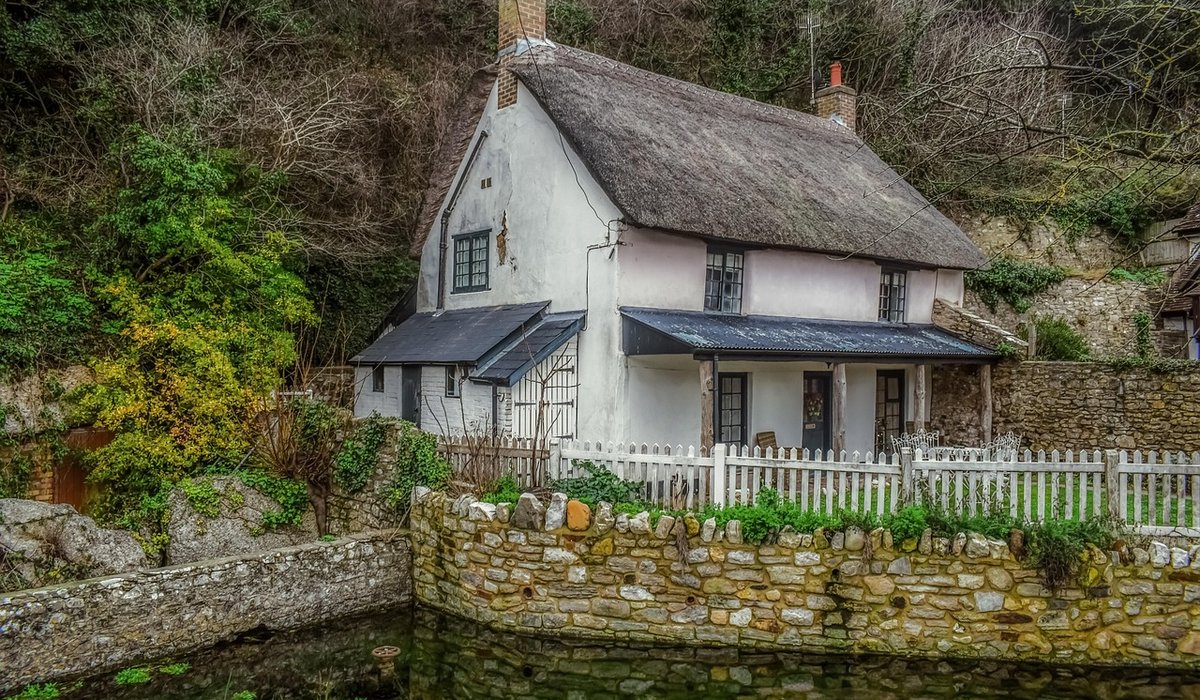
Renovating a listed building is a privilege and a puzzle. You are not just changing a house; you are safeguarding a piece of history. But before you pick up a chisel or order that reclaimed oak, you need to understand the planning framework. Listed building consent is separate from planning permission, and getting it wrong can be costly, stressful and even criminal.
In England and Wales, listed building consent is required for any works that affect the special architectural or historic interest of a listed building. This includes internal and external alterations, even if they seem minor. It is not just about the façade. Removing a Victorian fireplace, changing a window, inserting a modern kitchen into a historic room or painting over original panelling can all require consent. The listing protects the whole building, inside and out, and sometimes curtilage structures such as garden walls, outbuildings or railings. Grade I and II* are the most significant, but Grade II covers the vast majority and still demands care. Always check with your local planning authority before assuming you do not need consent. Unauthorised work is a criminal offence, and you can be forced to undo it at your own expense.
Conservation officers are not obstructionists. They are custodians of the historic environment, and they want to see proposals that respect the building’s story. When they assess your application, they look for several key things:
If you approach them with a well-researched proposal that respects the building, they can become your greatest ally. The key is to demonstrate that you understand the building’s history and that your changes will not erase it.
This is where many renovations stumble. Modern materials can trap moisture, causing rot and decay in historic fabric. Cement mortar, gypsum plaster, plastic paints and non-breathable insulation are common culprits. Traditional buildings need to breathe. Use lime mortar, lime plaster and breathable paints. For timber, use like-for-like species and traditional jointing. For windows, repair original frames where possible; if replacement is unavoidable, match the profile, glazing and finish exactly. Reclaimed materials can be beautiful, but ensure they are authentic and from a legitimate source. Your conservation officer will expect a materials schedule and samples. Do not guess—ask a heritage specialist who understands the difference between a quick fix and a lasting repair.
Starting the process early saves heartache later. Here is a practical sequence to follow:
Allow at least six months from first enquiry to starting work. Consent can take eight weeks or more, and pre-application discussions add time. Rushing leads to refused applications or enforcement action.
You can have a warm, functional home without sacrificing character. The trick is to make interventions in less significant areas—a rear extension, a loft conversion or a hidden services zone. Keep new work visually distinct but harmonious. For example, a modern kitchen in a Georgian townhouse can work if it is freestanding and does not alter the historic room’s proportions. Underfloor heating might be possible if it is breathable and reversible. Always prioritise the building’s health over convenience. A well-insulated loft and secondary glazing can improve comfort without harming the fabric. The goal is to leave the historic core untouched and let your modern life fit around it.
Even well-meaning owners fall into traps. Watch out for these common mistakes:
Each of these can lead to enforcement, fines and a damaged reputation. The best approach is to be patient, curious and humble. You are a custodian, not just an owner. With the right research, materials and professional advice, you can breathe new life into a protected property while preserving its soul for generations to come.

Rusticarch Written for people who value the details, and want honest guidance they can trust.

Rusticarch Written for people who value the details, and want honest guidance they can trust.

Sanding, repairing and sealing historic floorboards requires patience, but the result preserves period character and reduces the need for replacement timber.

Comments
ALina Kelian
19th May 2018 ReplyRusticarch We spend our time finding what works so you don't have to, and sharing exactly what made the difference. ullamco laboris nisi ut aliquip ex ea commodo consequat.
Rlex Kelian
19th May 2018 ReplyRusticarch No rushing, no fuss — just thoughtful notes and practical help, written by people who care. ullamco laboris nisi ut aliquip commodo.
Roboto Alex
21th May 2018 ReplyRusticarch No rushing, no fuss — just thoughtful notes and practical help, written by people who care. ullamco laboris nisi ut aliquip ex ea commodo consequat.