

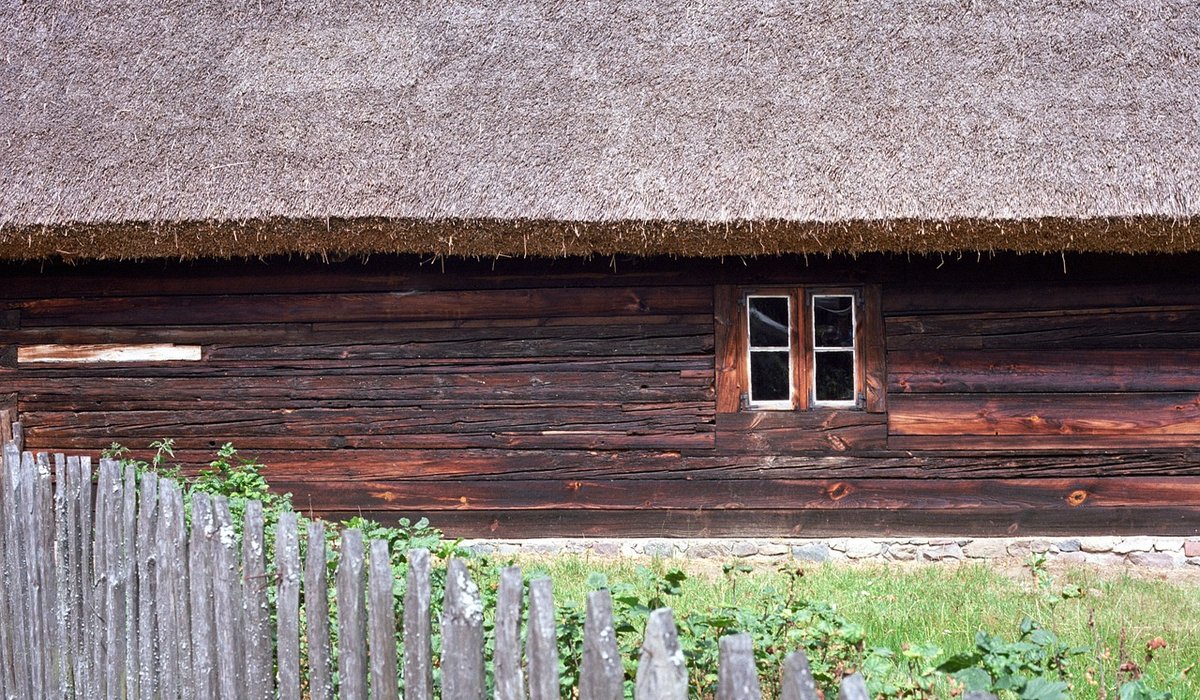
Oak timber framing is one of Britain's oldest building crafts, and it remains surprisingly practical today. The term green oak simply means oak that has not been dried or seasoned. It is freshly felled, with a high moisture content that makes it soft enough to cut and shape with hand tools. As it dries over the following months and years, it hardens, shrinks slightly, and tightens around its joints. That movement is not a flaw; it is part of what makes an oak frame so enduring.
Most green oak used in the UK is English oak (Quercus robur) or sessile oak (Quercus petraea). It is strong, durable, and naturally resistant to rot and insect attack. For anyone restoring a listed cottage or planning a rural extension, understanding how a green oak frame is cut, raised, and pegged is the first step towards a successful project.
Before any timber is cut, the frame is designed. Each piece is given a reference mark — often Roman numerals or letters — so that it can be identified on raising day. The oak is then cut to size, usually oversize to allow for shrinkage. Traditional joints are cut by hand with a mallet, chisel, and slick, although modern framers may use a chain mortiser for speed.
The primary joint is the mortise and tenon. A rectangular hole (the mortise) is cut into one timber, and a matching tongue (the tenon) is cut on the end of another. The tenon is slightly narrower than the mortise to allow for movement. Other common joints include:
Because green oak shrinks as it dries, the framer must anticipate movement. Tenons are cut slightly long, and joints are often left a fraction loose so that they tighten as the timber dries. The grain direction matters too: a tenon cut from the side grain will behave differently from one cut from the end grain.
Raising day is the moment the frame comes together. On small projects, a team of people can lift the timbers by hand using pike poles and gin poles. On larger frames, a crane or telehandler is used. The frame is usually assembled in sections — called bents or cross frames — flat on the ground. Each bent is then lifted into position, braced temporarily, and joined to the next.
Accuracy is critical. The frame must be plumb, level, and square before any permanent pegs are driven. Temporary braces, known as deadmen, hold everything steady. The raising process is often a social event, with friends and neighbours helping to push the frame upright. Once all the bents are connected, the roof structure — trusses, purlins, and rafters — is added.
It is worth noting that green oak frames are heavy. A single 6-metre principal rafter can weigh over 100 kilograms. Safe handling and proper lifting equipment are essential.
Pegging is what holds a traditional oak frame together. The pegs are usually made from dry oak, riven (split) rather than sawn, because riven pegs follow the grain and are stronger. They are slightly tapered and typically 25–30mm in diameter. The peg holes are drilled through the mortise and tenon — but here is the trick: the hole in the tenon is offset by a few millimetres from the hole in the mortise.
When the peg is driven through, it forces the tenon to shift, pulling the joint tight. This technique is called draw boring. No glue is used. The peg holds by friction and the natural shrinkage of the oak. If the frame ever needs to be taken apart, the pegs can be knocked out and the joints separated, which is why oak frames are so repairable.
You might think that an ancient craft like oak framing belongs only in heritage projects. In fact, it is ideally suited to modern extensions and rural homes. Here is why:
Planning authorities often look favourably on oak frames in conservation areas or Areas of Outstanding Natural Beauty. The frame can be prefabricated in a workshop and erected quickly on site, minimising disruption.
An oak frame will last for centuries if it is kept dry and well ventilated. New green oak will shrink over the first year or two, and small gaps may appear around joints. This is normal. Do not fill them with rigid sealant; instead, use lime plaster, oakum, or a flexible mastic that allows movement. Avoid sealing the timber with modern plastic paints. A breathable finish such as linseed oil or limewash is best.
Check pegs periodically and tap them home if they work loose. Keep gutters clear and ensure any external oak is protected from driving rain. With a little care, your oak frame will become the backbone of a home that feels rooted in the landscape — practical, beautiful, and built to last.

Rusticarch Written for people who value the details, and want honest guidance they can trust.

Rusticarch Written for people who value the details, and want honest guidance they can trust.

Reclaimed timber, stone flags and vintage brass fittings can add warmth and authenticity to a cottage kitchen without sacrificing everyday function.

Comments
ALina Kelian
19th May 2018 ReplyRusticarch We spend our time finding what works so you don't have to, and sharing exactly what made the difference. ullamco laboris nisi ut aliquip ex ea commodo consequat.
Rlex Kelian
19th May 2018 ReplyRusticarch No rushing, no fuss — just thoughtful notes and practical help, written by people who care. ullamco laboris nisi ut aliquip commodo.
Roboto Alex
21th May 2018 ReplyRusticarch No rushing, no fuss — just thoughtful notes and practical help, written by people who care. ullamco laboris nisi ut aliquip ex ea commodo consequat.