

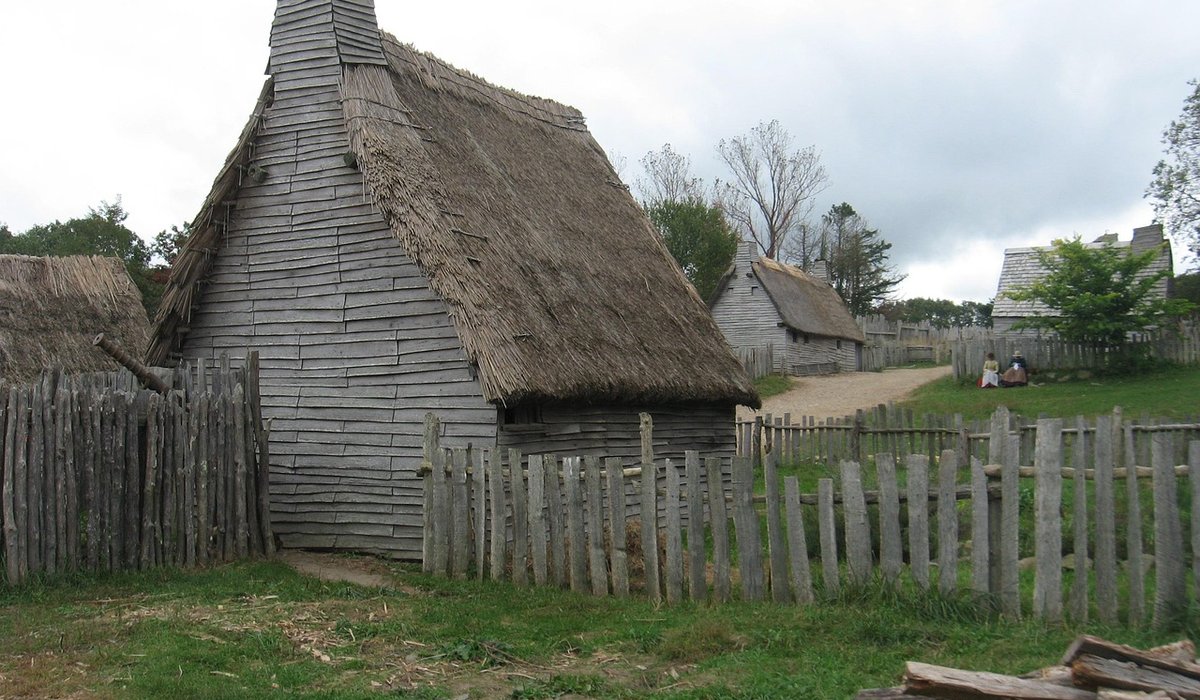
A cottage kitchen works best when it feels as though it has grown with the building rather than been dropped into it. Reclaimed materials do that job better than anything new, because they arrive already carrying the marks, colours and slight irregularities that take decades to develop naturally. An old pine board has a honeyed depth that no fresh timber can imitate, and a worn stone flag softens the sound of footsteps in a way that polished porcelain never will.
The good news is that none of this has to come at the expense of a kitchen that actually works. Reclaimed floorboards can sit above modern insulation, antique brass taps can run off a contemporary boiler, and a vintage dresser can hide a dishwasher behind its doors. The trick is knowing where heritage character adds value and where modern performance matters more.
Floors set the tone for the whole room, so start there. Reclaimed stone flags are the classic cottage choice, particularly in older properties with solid walls and no damp-proof course. Look for Yorkstone or limestone flags of around 25–40mm thickness, laid on a lime-based bed rather than cement. Lime allows the floor to breathe and move with seasonal moisture, which matters enormously in an old building. Expect to pay a premium for large, unbroken flags, and accept that a few hairline cracks and chipped corners are part of the charm.
If stone feels too cold underfoot, reclaimed timber is a warmer alternative. Old pine floorboards, wide and slightly cupped, can be lifted, cleaned, and relaid. Bear in mind:
Reclaimed timber really earns its keep in the cabinetry. Old school science benches, chapel pews, and salvaged pine doors can all be reworked into base units, and the resulting patina is impossible to fake. If you are commissioning new carcasses, ask for reclaimed timber fronts and a painted finish in a soft chalky tone — off-white, sage, or a muted ochre all sit well in a cottage.
For worktops, consider the practicalities carefully. Reclaimed oak or elm makes a beautiful surface, but it needs oiling two or three times a year and it will mark if you leave water standing on it. A sensible compromise is to run timber along the main runs and install a separate, hard-wearing surface beside the sink and hob. Slate is an excellent companion: dark, cool, and forgiving of hot pans.
Solid timber worktops should be at least 40mm thick to look right in a cottage setting, and preferably thicker. Anything thinner reads as modern veneer rather than honest joinery.
Fittings are where a cottage kitchen gains its jewellery. Unlacquered brass is the most rewarding choice, because it develops a living patina — bright where hands regularly touch it, darker in the corners. Lacquered brass stays uniformly shiny, which can look thin and hotel-like in an old building.
Practical places to use brass and aged iron:
Keep the mix restrained. Two or three metals across a kitchen is plenty; more and the room starts to look like a showroom.
A cottage kitchen still has to cope with a kettle, a fridge, and the Sunday roast. Plan the modern elements so they disappear into the scheme rather than fight it. An integrated fridge behind a reclaimed timber door, a dishwasher concealed beneath a dresser, and an extractor hood boxed into a lime-plastered chimney breast all keep the room calm.
Ventilation deserves particular attention. Old cottages are often damp, and cooking adds moisture to the air. If the building is breathable — lime plaster, lime mortar, no cement render — keep it that way. Avoid sealing walls with modern gypsum and plastic paint, which trap moisture and cause problems later. Where the property is listed, check before altering windows, external vents, or the chimney stack, as consent is usually required.
Reclaimed material is rarely cheaper than new, despite the assumption that it will be. Good flags, wide boards, and quality brass all carry a premium, and there is labour in cleaning, de-nailing, and resizing. Budget generously and buy the best you can find when you see it, because stock is unpredictable.
Sources worth exploring include architectural salvage yards, reclamation dealers, farm sales, and local house-clearance auctions. Measure twice before travelling, and take photographs with a tape measure in shot for scale.
Once installed, care is straightforward. Oil timber worktops regularly, wipe brass with a dry cloth rather than polish, sweep stone flags rather than mopping them soaking wet, and reseal around sinks as a matter of habit. Looked after properly, these materials will outlast the appliances and only improve with age — which is precisely the point of a cottage kitchen.

Rusticarch Written for people who value the details, and want honest guidance they can trust.

Rusticarch Written for people who value the details, and want honest guidance they can trust.

Understanding listed building consent, conservation officer concerns and the importance of sympathetic materials before you begin renovating a protected property.

Comments
ALina Kelian
19th May 2018 ReplyRusticarch We spend our time finding what works so you don't have to, and sharing exactly what made the difference. ullamco laboris nisi ut aliquip ex ea commodo consequat.
Rlex Kelian
19th May 2018 ReplyRusticarch No rushing, no fuss — just thoughtful notes and practical help, written by people who care. ullamco laboris nisi ut aliquip commodo.
Roboto Alex
21th May 2018 ReplyRusticarch No rushing, no fuss — just thoughtful notes and practical help, written by people who care. ullamco laboris nisi ut aliquip ex ea commodo consequat.